Basement Waterproofing Services Overview
Visitors will learn about how local contractors handle basement waterproofing to protect properties from water damage.
- - Residential homeowners seeking reliable basement waterproofing solutions from local contractors.
- - Property managers or landlords needing to address basement moisture issues across multiple buildings.
- - Commercial property owners looking for experienced service providers to protect foundations from water damage.

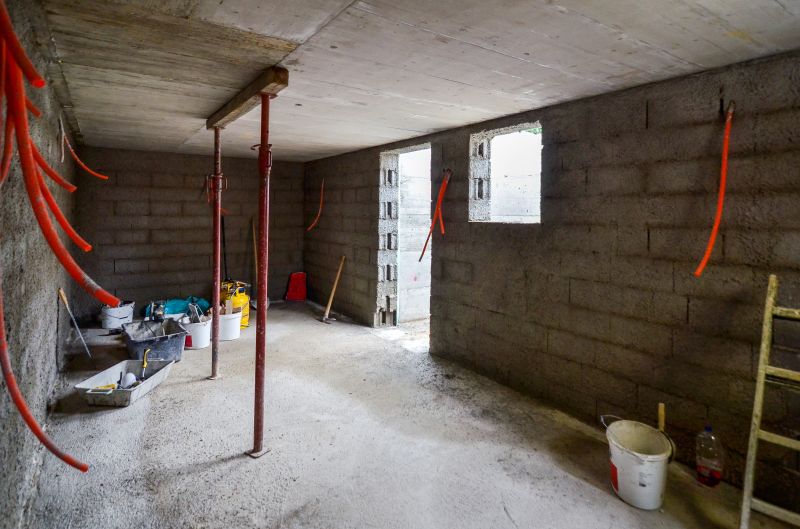

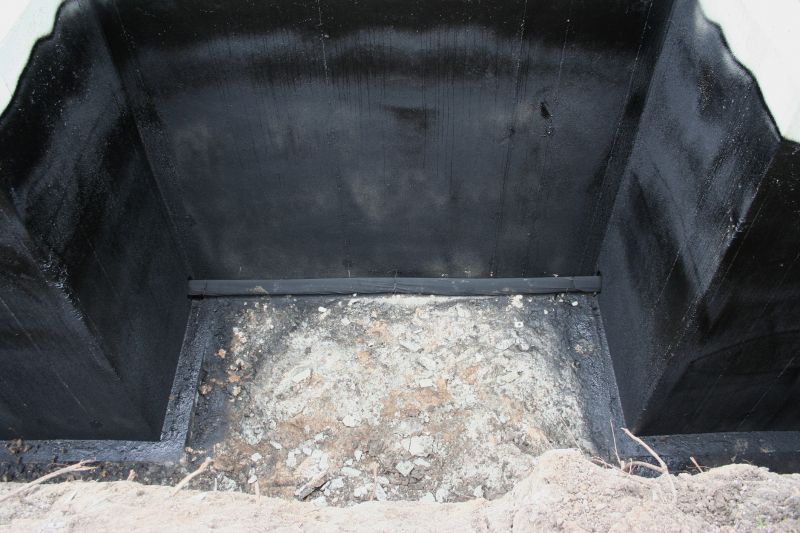
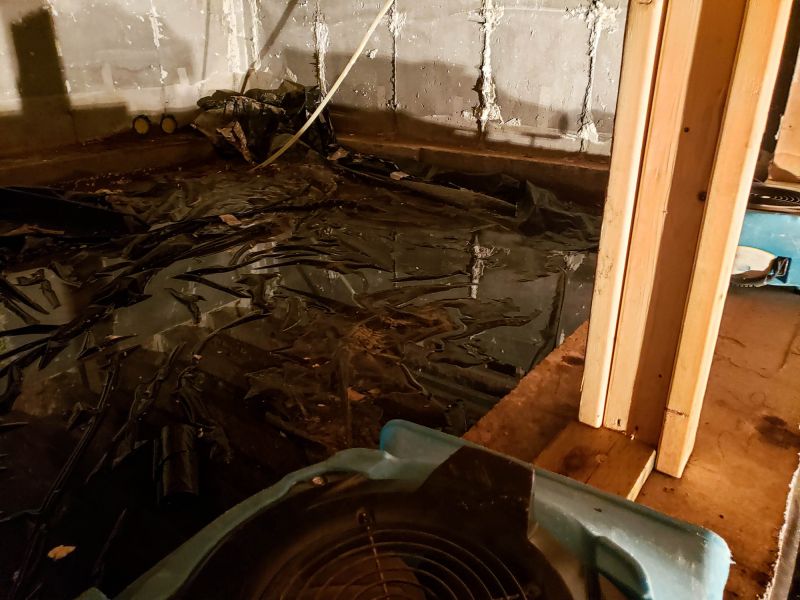
Basement waterproofing services involve a range of solutions designed to prevent water intrusion and protect foundations from moisture-related issues. Homeowners often seek these services when experiencing signs of water leaks, dampness, or flooding in their basements. Local contractors who specialize in waterproofing typically assess the specific conditions of a property, identifying potential entry points and recommending appropriate measures such as sealing cracks, installing drainage systems, or applying waterproof coatings. These professionals have experience working with various types of foundations and can tailor solutions to meet the unique needs of each property.
Connecting with experienced service providers can help property owners address basement moisture problems effectively. Local pros often offer a variety of waterproofing methods, ensuring options that suit different budgets and structural requirements. When choosing a contractor, it’s important to consider their familiarity with local building conditions and their ability to deliver reliable, quality work. This approach allows property owners to find the right fit for their basement waterproofing needs and ensures that the work is handled by knowledgeable local service providers who understand the challenges specific to their area.
This guide helps homeowners understand the key factors involved in basement waterproofing projects. It provides tips for comparing local contractors and understanding the services they offer. By reviewing this information, users can better prepare to connect with qualified service providers in their area.